


© Image Sign 2024
Business signage explainer – what is a Flat Sign
Business signage explainer – what is a Flat Sign
Is a Flat Sign right for your business?
A flat sign provides clear and essential branding for your commercial premises. When a customer drives past your location, they need to see your business name instantly. This type of signage serves as the primary foundation of business visibility across the UK. It delivers a direct and highly readable message without unnecessary complexity. Before you spend your advertising budget, you need to know exactly how a flat sign operates on a physical level. You need to understand the structure and how it compares to other options on the market. This guide gives you the facts so you make the correct decision for your company.

The Physical Structure Of A Two-Dimensional Board for a flat sign
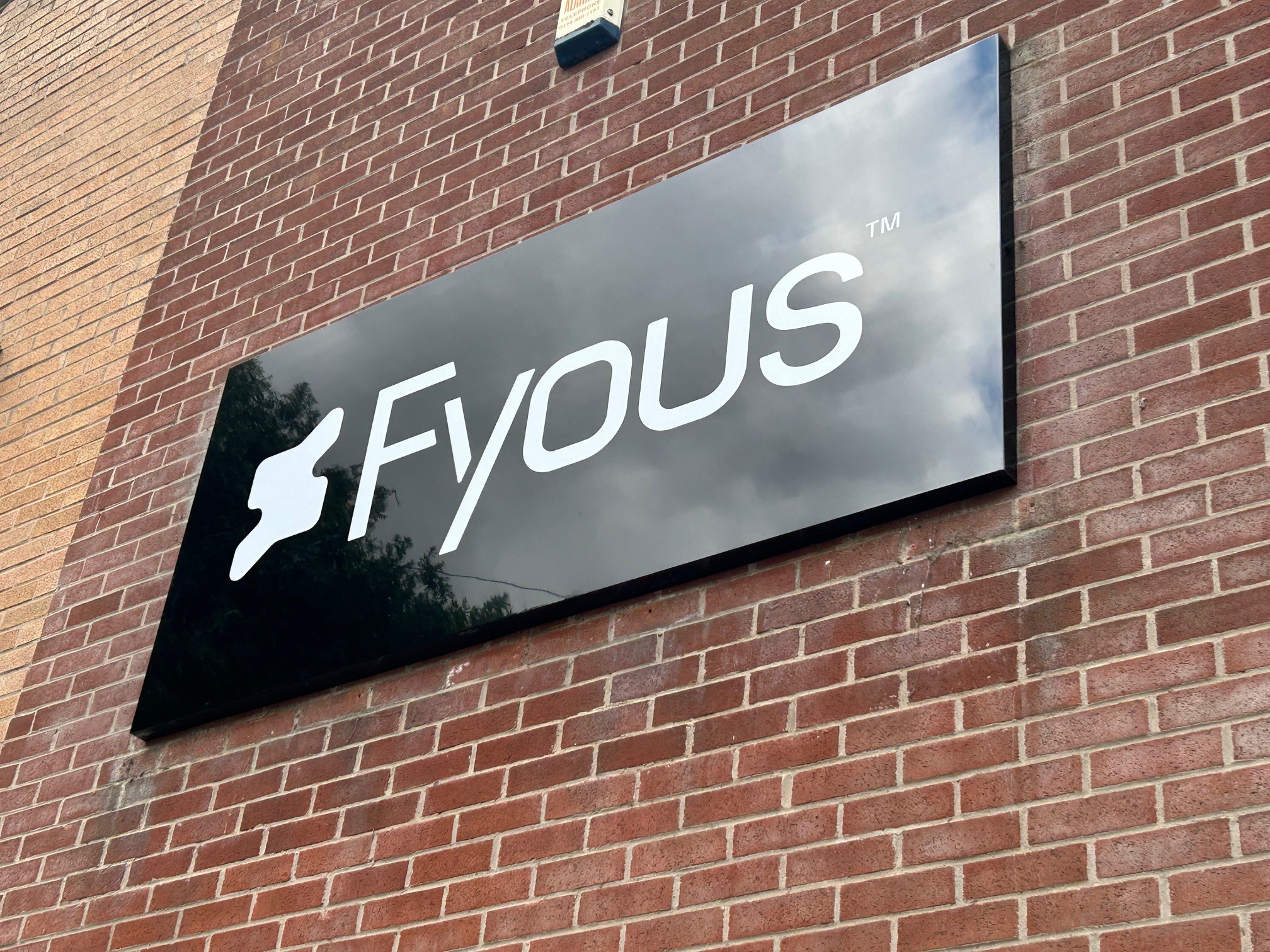
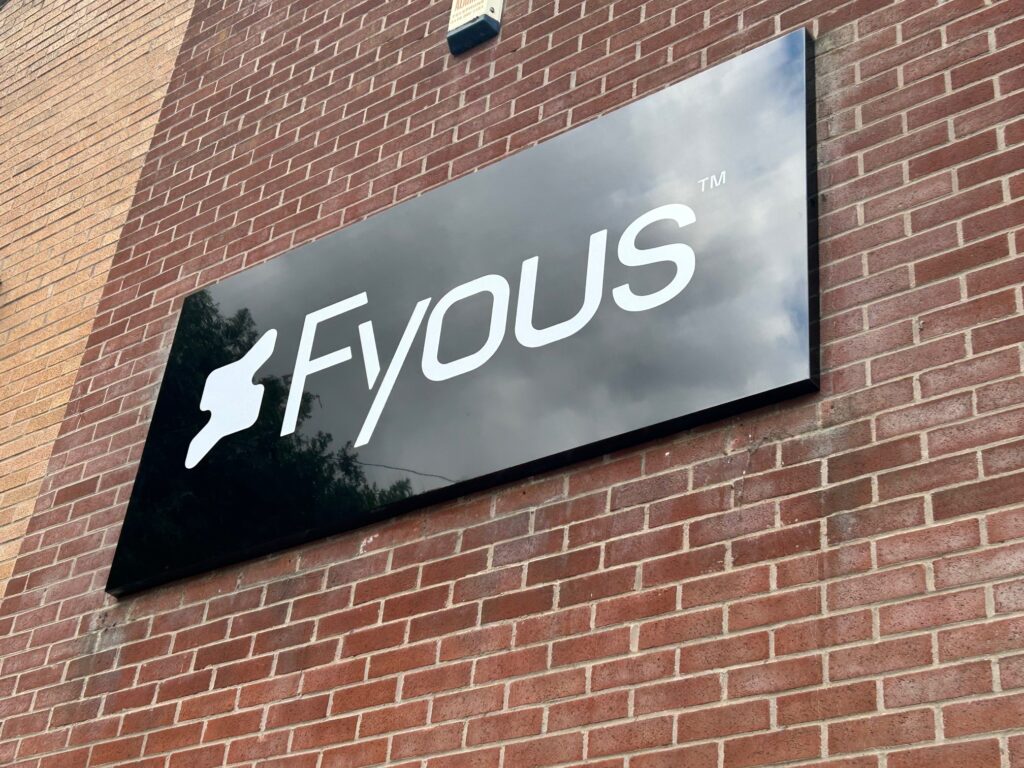
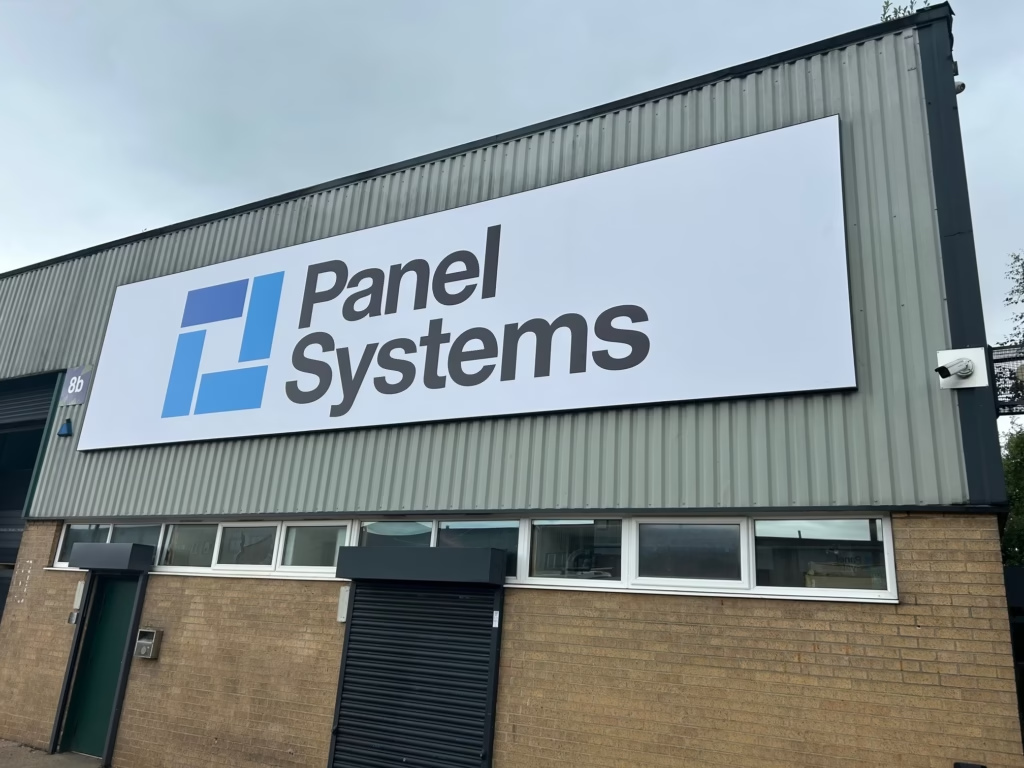
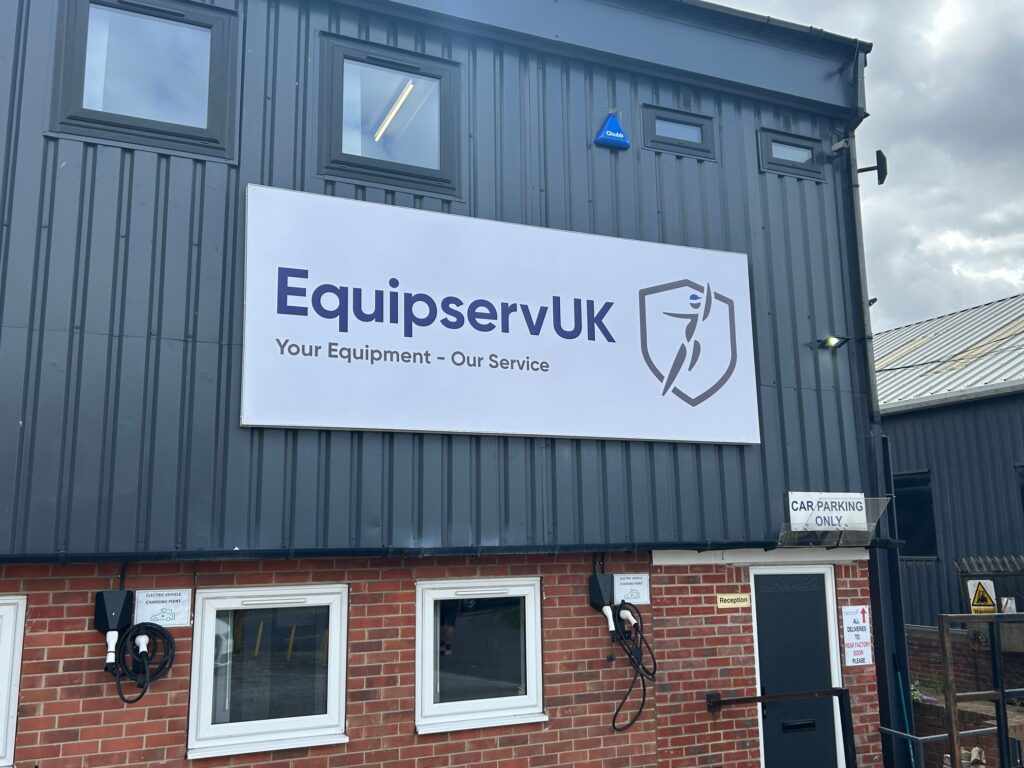
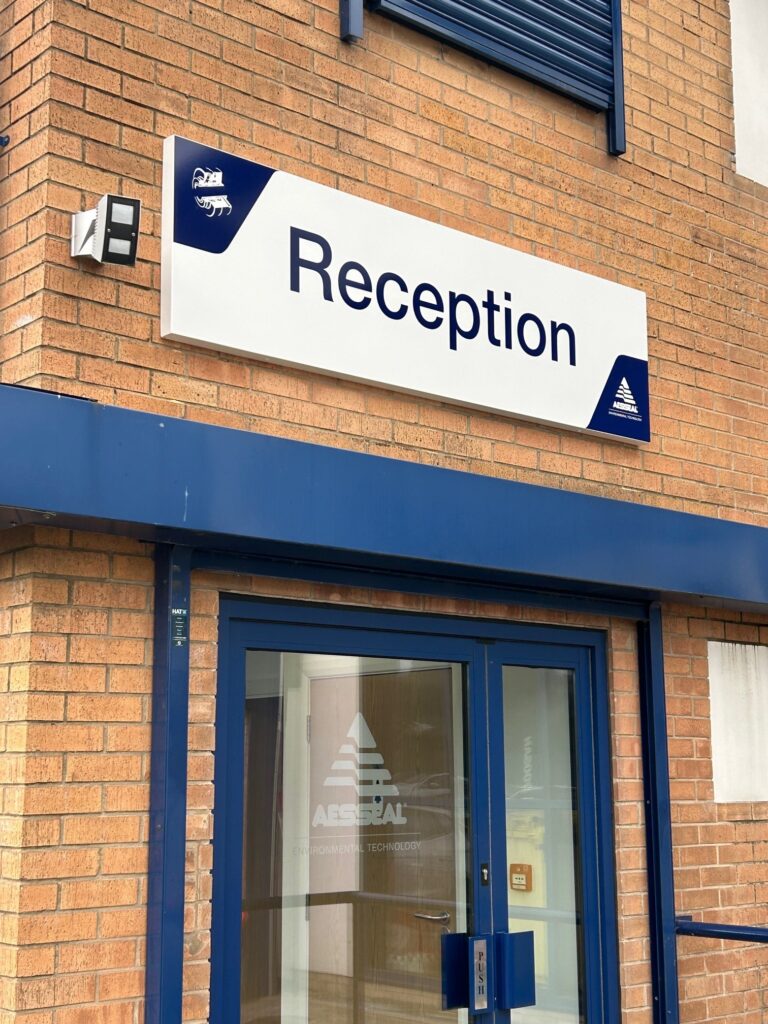
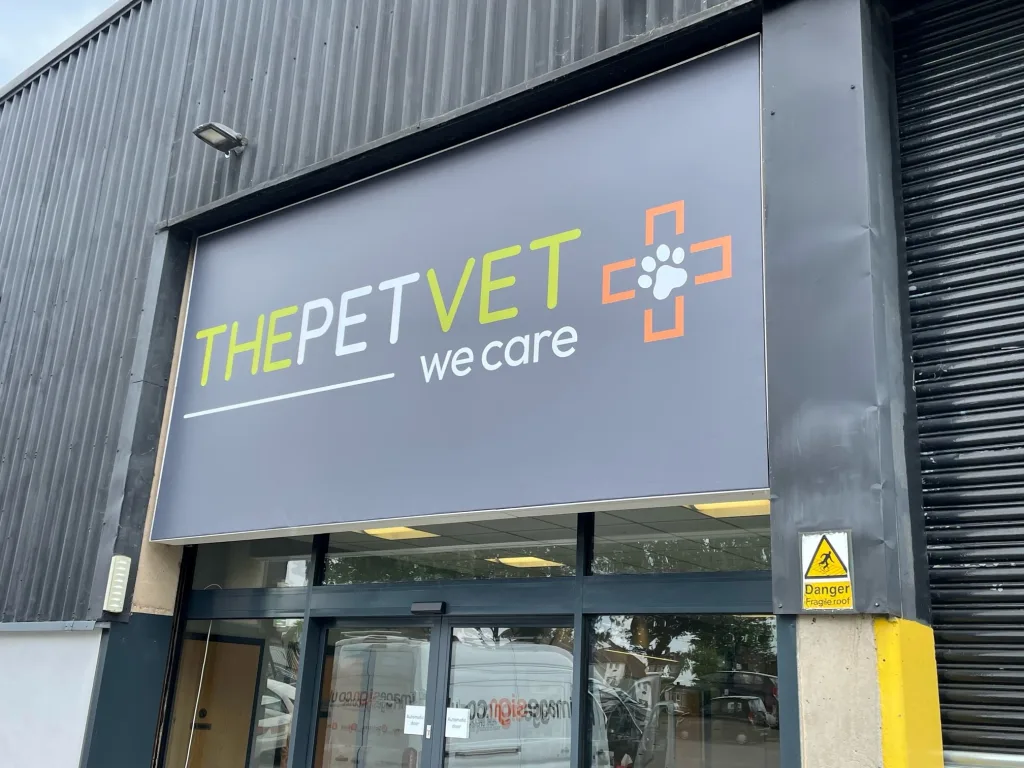
A flat sign is exactly what the name suggests. It is a solid, two-dimensional panel that displays your business information. We manufacture the base from a large, rigid sheet of flat material. We then apply your company logo, text, and brand colours directly onto the front surface. There are no raised letters sticking out from the board. There are no three-dimensional elements built into the face. The sign sits perfectly flat against your building exterior or interior wall.
Businesses install these panels above retail shop doors, across large factory walls, and inside corporate reception areas. They work perfectly because they present an uninterrupted surface for your branding. The flat nature of the board makes it incredibly versatile for any graphic design. We cut the material to size and mount it directly to your required location. You get a clean and sharp display that tells people exactly who you are and what you do.
Maintaining a flat sign is also incredibly simple. Because the surface is entirely flat, dirt and grime do not get trapped in small crevices. You do not have to clean around complex individual letters. Rain naturally washes the flat face, and a quick wipe with soapy water keeps the sign looking brand new. This low maintenance requirement helps busy business owners keep their premises looking professional without wasting time on complex cleaning routines.
Comparing Flat Panels Against Complex 3D Options for business signs
You need to know how a flat panel differs from more expensive signage options. When you research business signs, you see built-up letters and folded tray signs. A folded tray sign starts as a flat panel, but we bend the edges backward at a ninety-degree angle to create a thick frame. A built-up sign features individual letters made from metal or plastic, creating a deep physical profile. A flat sign avoids all this extra fabrication. It remains a single, unbent sheet.
This structural difference dictates the final cost and the installation method. Because a flat sign lacks a hollow cavity behind it, we cannot hide electrical wiring or transformers inside the board. Because it has no thick metal edges, it does not cast deep shadows across your brickwork. But this simplicity is exactly why so many businesses choose this straightforward option. You do not pay for heavy metal fabrication or complex electrical housing. You get a highly visible board that does the job efficiently.
The flat design also means the sign sits closer to the building structure. This works well in narrow streets or tight locations where a projecting sign gets in the way of large vehicles or pedestrians. A flush flat panel keeps your building profile clean and safe while still delivering your marketing message effectively.
The Materials We Use To Build Your flat Sign
The longevity of your business sign depends entirely on the base material. You cannot use standard thin plastic or cheap wood and expect it to survive the British weather. We select specific industrial materials designed to withstand heavy rain, high wind, and direct sunlight. Choosing the right material ensures your sign remains secure and professional for years. We evaluate your location and guide you toward the correct substrate.
Aluminium Composite For Maximum Weather Resistance in flat signs
Aluminium Composite Material is the absolute standard for outdoor business signage. The industry often refers to this as ACM or Dibond. It consists of a solid polyethylene plastic core sandwiched tightly between two thin sheets of aluminium. This three-layer construction makes the board incredibly strong and exceptionally rigid. The aluminium skins prevent the sign from rusting when it rains. The plastic core prevents the board from warping, bending, or expanding when the summer sun heats the metal.
This material provides the perfect flat surface for outdoor branding. It stays completely flat over time, which makes your text easy to read from a long distance. We use standard 3mm thick ACM for shop fascias, industrial estate wayfinding, and large exterior building signs. Very large sizes are produced without seams depending on the materials. If your business needs a massive sign, we supply large format ACM sheets that provide a seamless and highly professional finish.
Aluminium composite also provides excellent structural integrity during high winds. When we secure an ACM panel to a wall, the rigid core stops the sign from flexing and tearing away from the fixings. This material works perfectly for almost every outdoor application and guarantees a long lifespan for your exterior branding.
Alternative Plastics For Indoor And Temporary Use
We also use other materials when your specific project requires a different approach. If you need temporary signage or a display for an indoor warehouse, we often use Foamex. This is a dense, compressed PVC foam board. It is lighter and cheaper than aluminium composite. It works brilliantly for safety notices, short-term promotional displays, and indoor directional signs. However, it does not have the same long-term durability as ACM when exposed to harsh outdoor weather conditions.
For premium indoor locations, we use solid acrylic. Acrylic provides a highly polished, glass-like finish. We use this material for professional office plaques, reception area branding, and corporate directory boards. It looks highly professional and adds a sharp, modern appearance to your interior walls. We apply your printed graphics to the back of clear acrylic to protect the print and give the design a deep, glossy look.
We always select the exact material that matches your environment and your budget. We do not use expensive acrylic for a temporary building site sign, and we do not use cheap Foamex for a permanent high street shop front. The material must suit the specific job.
The Main Advantages For Your Business
A flat sign remains the most popular choice for commercial branding across the country. It provides distinct benefits that help business owners manage their budgets and improve their overall visibility. You need to weigh these advantages against your specific company goals. If you want maximum physical coverage for a sensible price, a flat panel is the correct choice.
Keeping Your Advertising Budget Under Control
The most significant advantage of a flat sign is the financial cost. Manufacturing three-dimensional letters requires extensive manual labour. We have to cut, shape, fold, weld, and wire complex metal shapes. A flat sign removes all of this time-consuming fabrication work. We simply cut the rigid board, print the graphics, and apply the design. This streamlined process heavily reduces the manufacturing time and significantly lowers the final price.
This cost efficiency helps you cover a large area of your building. If you own a massive distribution centre, you need a huge sign so delivery drivers can see your logo from the main road. Buying three-dimensional letters for a building that size requires a massive budget. A flat aluminium composite panel allows you to brand the entire exterior wall for a fraction of the cost. You get huge visual impact without the massive fabrication bill.
It also makes future rebranding very affordable. If you change your logo or update your company colours in five years, you simply replace the single flat panel. You do not need to buy a whole new set of complex 3D letters. We manufacture a new board and swap it with the old one quickly. This keeps your business looking fresh and relevant.
Total Flexibility For Your Graphic Design
A flat panel provides a perfect blank canvas for your company branding. You face zero restrictions when it comes to the graphic design. If your logo contains detailed colour gradients, multiple overlapping shapes, or a high-resolution photographic background, a flat sign handles it perfectly. We print your design digitally using wide format printers and apply it directly to the board. This works much better than 3D lettering, which generally limits you to solid metal or flat plastic colours.
We also control the exact finish of the sign. We apply specialist protective laminates over the printed graphics. If your building faces a busy road and the sun causes heavy glare, we apply a matte laminate. This stops the reflection and ensures your text remains highly readable at all times. If you want a bright, protective shine, we apply a high-gloss laminate.
If your brand guidelines require exact corporate colour matching, we use precision cut coloured vinyl instead of digital print. We match your specific pantone colours exactly. This total flexibility guarantees that your branding looks exactly how you want it to look, without any manufacturing compromise.
The Limitations Of Flat Signage
Every signage option has structural limitations. You must understand what a flat sign cannot do before you commit to an order. A flat panel is highly practical and cost-effective, but it lacks the premium physical features of heavily fabricated alternatives. You need to consider your competitors, your opening hours, and your specific high street location before making your final choice.
Understanding The Lack Of Physical Projection
The main limitation of a flat sign is the lack of physical depth. It does not project away from the wall. It relies entirely on the flat printed graphics for its visual impact. Built-up letters catch the natural sunlight and cast real shadows against your brickwork. This gives the building a premium, heavy architectural appearance. A flat panel sits flush against the wall and remains strictly two-dimensional.
If your business is located on a busy high street, you need to look at your direct neighbours. If the shops next door use thick, projecting, illuminated 3D signs, a flat panel looks slightly less prominent. It does not stand out as aggressively when a customer views it from a sharp side angle while walking down the pavement. You must compensate for this physical flatness by using intelligent graphic design.
We use bold typography, thick lettering, and high-contrast colours to ensure your flat sign grabs attention immediately. Dark text on a bright white background always provides excellent readability. But the physical profile of the sign always remains flat against the building.
Managing Visibility Issues In Dark Environments
A solid flat board does not contain internal lighting. It does not glow in the dark. When the sun goes down, a flat sign becomes much harder to see. If you run a business that operates at night, such as a restaurant, a late-night pharmacy, or a busy bar, this presents a problem. Your customers need to locate your premises easily in the dark. A standard unlit flat panel simply blends into the dark shadows of your building exterior.
We fix this issue by installing powerful external lighting. We fit stylish metal trough lights directly above the flat panel. These sleek units run the entire horizontal length of the sign and shine a bright wash of LED light down onto the printed face. Alternatively, we install heavy-duty ground spotlights below the sign to shine upward.
This external lighting works perfectly and looks highly professional. But you must remember that the sign panel itself does not emit light from within the letters. You must include external lighting in your installation plan and arrange the necessary electrical connections if nighttime visibility is essential for your trade.
The Manufacturing And Installation Process
Ordering a new commercial sign requires absolute precision and proper planning. You cannot afford mistakes with your primary business branding. We manage the entire project to ensure your new sign fits perfectly and stays securely attached to your building. You need a reliable manufacturer who understands exactly how to build and safely mount heavy commercial boards.
Building Bespoke Signs In Our Workshop
All signage is produced bespoke in the Image Sign workshop to meet exact customer requirements. We do not sell off-the-shelf, pre-made signs. Every single panel is custom-built for your specific commercial building. We survey your location, we measure the available wall space accurately, and we discuss your exact business goals. We then cut the raw materials using advanced machinery, print the high-resolution graphics, and apply the protective laminates entirely in-house.
Because we build everything bespoke, you get exactly what you need. If you have an awkward space above your door, we cut the panel to fit those specific dimensions perfectly. Image Sign provides a full end-to-end service, covering both design and professional installation. You do not need to hire a separate graphic designer and a separate fitting team. We handle the complex design files, we manufacture the physical board, and we prepare all the heavy-duty fixings required for the job.
Our workshop handles the entire quality control process. We inspect the print quality, verify the structural integrity of the boards, and ensure the protective laminates are perfectly smooth before the sign ever leaves our premises. This guarantees a flawless product arrives at your location.
Professional Fitting Methods For Your Premises
Installation is a critical and highly technical part of the process. A large commercial sign is heavy and catches a lot of wind. It requires secure, professional mounting to keep the public safe and protect your property. We use several specific installation methods depending on your exact building structure. The most common method is a direct flush fitting. We mount the panel tightly against your brickwork, metal cladding, or wooden fascia. We use colour-matched screws so the fixings blend into the printed design invisibly. This prevents heavy wind from getting behind the board and causing damage.
If you want a slightly more premium look for a flat sign, we use stand-off mounts. These are solid stainless steel barrels that push the sign away from the wall by an inch or two. This creates a floating effect and adds a natural shadow behind the panel. We use this method frequently for professional office plaques and internal reception signs.
We also mount flat signs onto heavy-duty metal or wooden posts. This method works perfectly for car park signs, directional wayfinding, and industrial site entrances. Our installation team uses specialized access equipment when working at height. We ensure every single sign is perfectly level, structurally sound, and securely fixed for the long term.
Call Rich and Dean at Image Sign on 0114 2617 617 for a quotation.