


© Image Sign 2024
The Complete Guide to Projecting Blade Signs
The Complete Guide to Projecting Blade Signs
Here at Image Sign we design, manufacture, and install commercial signage from our workshop in Sheffield, and we supply businesses across the entire UK. When you walk down any busy high street, you notice that flat storefront signs often get lost in the crowd. To truly capture the attention of passing foot traffic, you need signage that reaches out to them. A projecting blade sign often solves this problem perfectly. It acts as a beacon for your business, visible from far down the pavement. This article explains exactly what projecting blade signs are, how we build them, and why they might be a great idea for your shopfront.
What Exactly Is a Projecting Blade Sign?
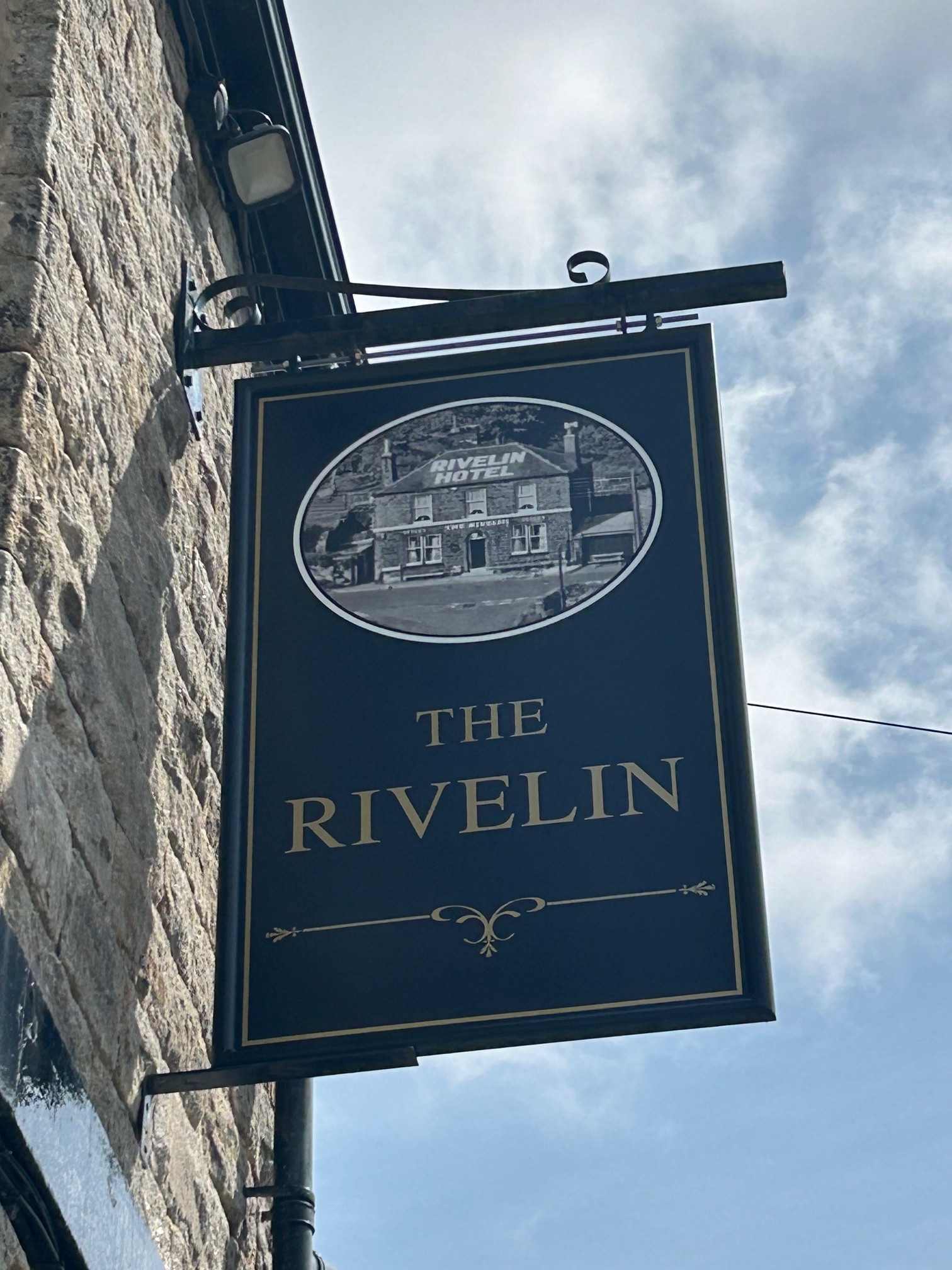
A projecting blade sign is a two-sided display that mounts perpendicular to your building facade. Instead of sitting flat against the brickwork, it sticks out at a ninety-degree angle over the pavement. We mount these signs on a structural bracket, allowing pedestrians walking parallel to your shop to read your brand name long before they reach your door.
How They Differ from Standard Fascias
Your main fascia sign sits flat directly above your entrance. It works incredibly well for people looking directly at your building from across the street. But people walking along the same side of the road cannot read a flat fascia sign until they are standing right underneath it. A projecting blade sign interrupts their line of sight. It catches their eye from fifty or even a hundred metres away.
We use the two sign types together to create a complete visual package. The projecting sign grabs the attention of the pedestrian from a distance, and the main fascia sign welcomes them as they approach the entrance. This combination works to maximize your physical visibility and increases your daily footfall. Businesses that rely strictly on a flat fascia miss out on a massive percentage of impulse walk-in traffic.
The Core Benefits for High Street Businesses
Visibility equals revenue for high street retail shops, cafes, and local services. A projecting blade sign serves as a constant, permanent advertisement. It works for your business every single day of the year. This helps customers locate you quickly in crowded urban areas or busy shopping districts.
This type of sign also helps to establish your brand identity in the local area. When people walk past your projecting sign every day on their commute, they remember your name. When they eventually need your product or service, they already know exactly where to find you. We design these signs to reflect your exact brand colours and typography. This builds immediate trust and presents your business as a professional, established operation.
Materials Used in Blade Sign Construction
We select only the most durable, industrial-grade materials for our UK customers. A projecting sign faces heavy wind, relentless rain, and freezing temperatures. The materials we use dictate the overall lifespan of the sign and ensure it remains safe above the public highway.
The Support Bracket Framework
The bracket is the most critical component of any projecting sign. It carries the entire weight of the sign panel and absorbs all the stress from strong winds. For traditional or heritage businesses, we fabricate brackets from solid wrought iron or heavy mild steel. We treat these metals with hot-dip galvanising to prevent rust, followed by a tough powder-coated finish. This gives you a classic, ornate look that suits historical buildings and traditional pubs perfectly.
For modern retail units, we use extruded aluminium box section brackets. Aluminium is naturally lightweight and completely rust-proof. We weld these frames in our Sheffield workshop to guarantee absolute structural integrity. We then finish the aluminium with a custom powder coat to match your brand colours exactly. The bracket includes a heavy-duty wall plate with pre-drilled fixing points, allowing our installers to anchor it securely into your building’s structural masonry.
Rigid Panels and Hanging Displays
The actual sign panel comes in several variations. We use solid aluminium composite material for flat, cost-effective projecting signs. We call this ACM. It features a solid plastic core pressed between two thin aluminium sheets. ACM stays perfectly flat, never warps, and holds printed vinyl graphics exceptionally well.
For a more premium finish, we build folded aluminium sign trays. We take a flat sheet of solid aluminium and fold the edges to create a hollow, three-dimensional box. This hides all the structural fixings and provides a completely seamless look. We also use thick, solid acrylic for modern, polished signs. We cut the acrylic on our precision CNC routers and polish the edges to a glass-like finish. Finally, for a classic swinging sign, we use rigid panels suspended from the main bracket by heavy-duty stainless steel D-rings. This allows the sign to move gently in the wind, which naturally catches the human eye.
Illumination Methods for Projecting Signs
A dark sign is useless during the long UK winter months. You need reliable illumination to keep your brand visible after sunset. We incorporate modern lighting solutions into our blade signs to ensure your business stands out twenty-four hours a day.
Internal LED Lighting
Internal illumination provides a very sharp, modern aesthetic. We build a double-sided aluminium box sign and fit high-intensity LED modules inside the cavity. We then use a CNC router to cut your logo out of the aluminium faces. We push thick translucent acrylic letters through these cutouts. When the sign is turned on, only the letters and the logo illuminate.
This creates a highly professional, high-contrast display. We use energy-efficient 12-volt LED systems for all internal lighting. These LEDs consume very little electricity, which keeps your running costs incredibly low. They also boast a lifespan of up to 50,000 hours, ensuring years of maintenance-free operation. We completely seal the internal components to make the sign 100% waterproof.
Traditional External Spotlights
Internal lighting does not suit every brand or every building. For heritage properties, listed buildings, or traditional businesses, we use external lighting. We mount small, powerful LED spotlights to the wall bracket, pointing directly at the sign faces. We also use classic swan neck lamps that arch over the top of the sign panel.
This method floods the entire face of the sign with light. It illuminates both your graphics and the physical texture of the sign itself. External lighting works exceptionally well for painted timber signs or matte-finished metal signs. We run all the external wiring through the hollow centre of the support bracket. This hides the messy cables and protects the electrical connections from the weather. We often pair these lights with an automatic light sensor, so your sign turns on the moment the sun goes down.
Design Principles for Perpendicular Signage
Designing a projecting sign requires a completely different approach to designing a flat fascia sign. A pedestrian only has a few seconds to read and understand your sign as they walk down the street. We follow strict design principles to ensure your message is processed instantly.
Keeping the Message Concise
You cannot treat a projecting sign like a business card or a brochure. Less is always more. We tell our clients to stick to their core logo and one or two words maximum. The sign needs to tell people exactly what you do or who you are in a single glance.
We completely remove phone numbers, email addresses, and lists of services from projecting signs. Text that is too small becomes a blurry mess from a distance. We maximize the size of your primary brand name to fill the available space. We use high-contrast colours to ensure the text stands out from the background. For example, crisp white letters on a dark grey or black background offer excellent legibility in all lighting conditions. Clean, bold fonts always outperform complex, highly stylized text.
Sizing and Wind Resistance
The size of your blade sign directly affects the physical stress placed on your building. A large, solid panel acts exactly like a sail on a boat. When heavy winds hit the sign, it transfers immense pulling force into the wall fixings. We calculate the wind loading for every sign we build.
We generally keep projecting signs under one square metre in total face area. This provides plenty of visibility without creating a dangerous structural load. If you require a larger sign, we engineer stronger, deeper brackets and specify heavy-duty resin anchors for the installation. We also offer fret-cut or shaped signs where we remove excess material around your logo. This allows the wind to pass around the sign more easily, reducing the structural load while creating a unique and striking visual shape.
Frequently Asked Questions About Blade Signs
Business owners naturally have questions before they invest in new physical infrastructure. We guide hundreds of customers through this process every year. Here are the direct answers to the most common questions regarding projecting blade signs.
Do I Need Planning Permission?
In most cases, you do need some form of consent to install a projecting sign. Because the sign hangs directly over a public highway or pavement, local councils closely monitor their installation. You usually need standard Advertisement Consent from your local planning authority.
If your property is a listed building or sits within a designated conservation area, the rules are much stricter. The council dictates the size, the materials, and the type of illumination you are allowed to use. We always advise our clients to speak with their local planning department before we begin manufacturing. We provide full technical drawings and visual mockups to help you secure this permission quickly. We know exactly what the councils look for and we design your sign to meet their strict safety and aesthetic criteria.
How High Must the Sign Be Mounted?
Safety is the absolute priority when installing signs above a public walkway. We follow strict national installation guidelines to prevent accidents and head injuries. A projecting sign must never obstruct pedestrian traffic or delivery vehicles.
In the UK, the bottom edge of a projecting sign must sit at least 2.4 metres above the ground level of the pavement. In some specific council districts, or if the sign overhangs a cycle path, this minimum height requirement increases to 2.6 metres. We survey your property and measure this clearance exactly. Furthermore, the sign cannot project too far out from the building. Most councils restrict the outward projection to a maximum of 1 metre from the wall face, and it must sit back a minimum distance from the edge of the roadside kerb. We handle all these technical measurements during our initial site survey, which guarantees your installation is perfectly legal and completely safe.
Get in touch
Call us on 0114 2617617 or get in touch via our contact page